
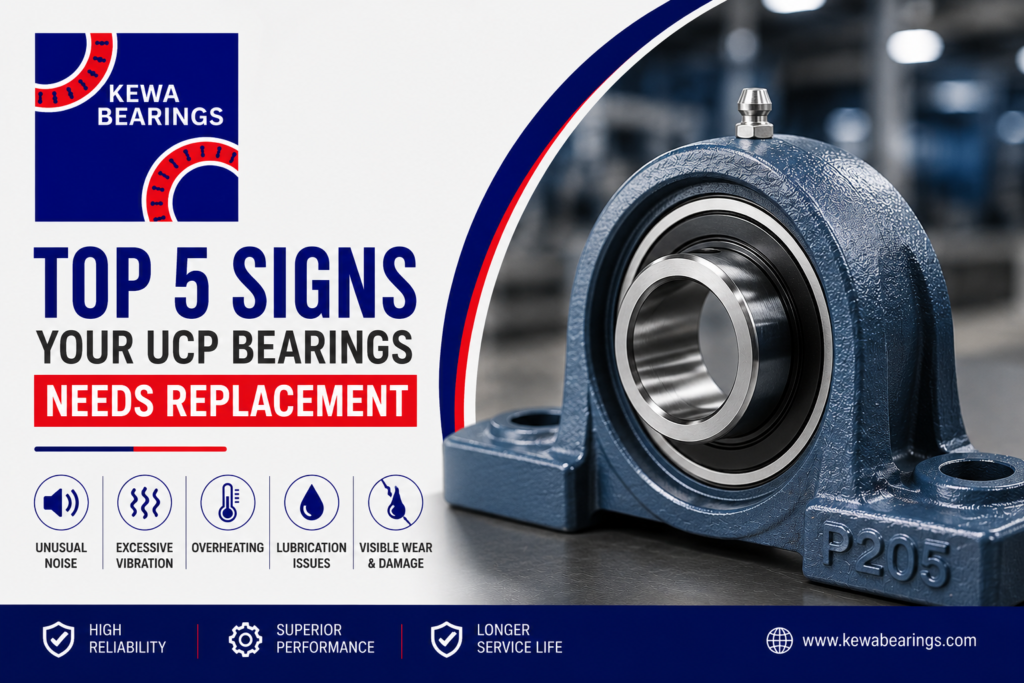
Bearings are small but essential components that help industrial machines operate smoothly. They reduce friction, support rotating shafts, and allow equipment to work efficiently. When a bearing starts wearing out, it can affect the performance of the entire machine. If the problem is ignored for too long, it may even result in unexpected breakdowns, production delays, and costly repairs.
Among the different types of mounted bearings used in industrial applications, ucp bearings are widely preferred because of their practical design, easy installation, and reliable performance. They are commonly used in conveyors, agricultural equipment, manufacturing machinery, fans, pumps, and many other systems where a rotating shaft needs stable support.
However, like any mechanical component, UCP bearings do not last forever. Regular inspection and timely replacement are important for maintaining machine performance and preventing sudden failures.
But how do you know when a UCP bearing needs to be replaced?
Here are the top five signs that indicate your UCP bearings may be reaching the end of their service life.
What Are UCP Bearings?
Before discussing the warning signs, it is useful to understand what UCP bearings are and why they are used.
UCP is commonly associated with a pillow block bearing unit, where a bearing is mounted inside a housing that can be fixed directly onto a machine frame. This design makes installation and maintenance easier compared with installing a bearing separately.
The housing provides support and helps keep the bearing properly positioned while the bearing allows the shaft to rotate with reduced friction.
UCP bearings are available in different sizes and specifications to suit various shaft diameters and machine requirements. Their versatility makes them suitable for many industrial and commercial applications.
Even though they are designed for dependable operation, factors such as excessive loads, contamination, poor lubrication, misalignment, moisture, improper installation, and continuous operation can cause premature wear.
Recognizing the early warning signs can help you replace the bearing before it causes a larger problem.
5 Warning Signs Your UCP Bearings Need Replacement
UCP bearings play an important role in supporting rotating shafts and helping machines operate smoothly. Like any mechanical component, they can wear out over time. Identifying early warning signs can help prevent unexpected breakdowns, costly repairs, and production downtime.
Here are five important signs that your UCP bearings may need replacement.
1. Unusual Noise
One of the easiest signs of a worn bearing is unusual noise. A properly functioning bearing should operate smoothly without excessive grinding, clicking, rattling, or squealing.
If you hear a grinding sound while the shaft rotates, especially when the noise increases with machine speed, it may indicate wear or damage inside the bearing. Poor lubrication can also increase friction and create abnormal sounds.
If you notice new or increasing noise around the bearing housing, inspect the bearing, lubrication, shaft, and surrounding components. If the noise continues after proper maintenance, replacement may be necessary.
2. Excessive Vibration
Another common warning sign is unusual or excessive vibration. While some machine vibration is normal, a sudden increase around the bearing area can indicate a problem.
Worn rolling elements, damaged raceways, internal clearance, or surface defects can cause uneven rotation and increased vibration. Misalignment between the bearing, shaft, and housing can also create uneven loads and accelerate wear.
When inspecting UCP bearings, pay attention to changes in normal machine vibration. Ignoring excessive vibration can put additional stress on the shaft, housing, seals, and other connected components.
However, vibration does not always mean the bearing itself has failed. The actual cause should be identified before replacement.
3. Increased Operating Temperature
Temperature is another useful indicator of bearing condition. Bearings naturally become warm during operation because of friction, but a sudden or continuous increase in temperature can signal a problem.
Common causes include insufficient or excessive lubrication, overloading, incorrect installation, misalignment, contamination, and internal bearing damage.
As bearing components wear, friction can increase and generate additional heat. If your UCP bearing feels significantly hotter than usual, inspect the lubrication, shaft alignment, bearing condition, and operating load.
Continuing to operate an overheating bearing can increase the risk of failure and may result in costly machine downtime.
4. Visible Damage, Rust, or Lubricant Leakage
A simple visual inspection can reveal several bearing problems. When checking UCP bearings, look for cracks, rust, corrosion, damaged seals, loose components, or unusual lubricant leakage.
Moisture, dust, dirt, and chemicals can enter the bearing and damage its internal surfaces. Damaged seals are particularly concerning because they help keep contaminants out while retaining lubricant.
Excessive grease leakage should also be investigated instead of simply adding more lubricant. If the bearing has significant physical damage, corrosion, or worn seals, replacement may be required.
5. Reduced Machine Performance
Sometimes, the clearest sign of a bearing problem is a change in machine performance. A worn bearing can increase friction and resistance, forcing the motor or drive system to work harder.
You may notice slower operation, uneven movement, increased energy consumption, reduced productivity, or unexpected machine stoppages.
For example, worn UCP bearings in a conveyor system can affect shaft rotation and cause irregular belt movement. In agricultural machinery, bearing problems can affect rotating components and reduce overall efficiency.
When performance problems occur together with noise, vibration, overheating, or visible damage, the bearing should be inspected promptly.
Why Should You Replace Worn UCP Bearings?
Replacing a worn bearing may seem like a small maintenance expense, but delaying replacement can result in much larger costs. A damaged bearing can increase stress on shafts and other connected components, potentially causing equipment failure and production downtime.
Timely replacement helps maintain smooth operation, reduce emergency repairs, and support better machine efficiency. Planned maintenance is generally easier and more cost-effective than dealing with an unexpected breakdown.
Common Causes of UCP Bearing Failure
Several factors can cause premature bearing failure. Insufficient lubrication can increase friction and heat, while over-lubrication can also raise operating temperatures.
Misalignment can create uneven loads, while excessive loading can damage the bearing. Contamination from dust, dirt, water, or chemicals can also damage internal surfaces. Finally, incorrect installation can reduce bearing life even when a quality bearing is used.
Understanding these causes can help businesses prevent repeated bearing problems.
How to Extend the Life of UCP Bearings
Regular maintenance can significantly support bearing performance. Inspect bearings regularly for unusual noise, vibration, temperature changes, lubrication issues, and visible damage.
Keep the bearing area clean and protected from moisture and contamination. Use the correct lubricant and follow the recommended lubrication schedule. Proper shaft alignment and correct installation are equally important.
It is also essential to select a bearing suitable for the application’s shaft size, load, speed, temperature, and operating environment.
Choosing the Right Replacement Bearing
When replacing UCP bearings, check the bearing size and shaft diameter first. You should also consider machine load, operating speed, environmental conditions, and installation requirements.
Choosing a reliable bearing that matches your application can help reduce premature wear and support consistent machine performance. If you are unsure about the correct specification, consult a bearing supplier or technical expert.
Why Choose Kewa Bearings?
Kewa Bearings focuses on providing dependable bearing solutions for industrial and mechanical applications. Choosing the right bearing can improve machine efficiency, reduce maintenance requirements, and support reliable operation.
Whether you are replacing a worn component or selecting bearings for new equipment, choosing the right product for your specific application is an important step toward smooth and efficient machine performance.
Final Thoughts
UCP bearings support rotating shafts and help machines run smoothly, but they can wear out over time. Key warning signs include unusual noise, vibration, overheating, visible damage, lubricant leakage, and reduced performance.
Regular inspection, proper lubrication, alignment, and timely replacement can prevent major failures. Choosing the right ucp bearings also helps reduce downtime and improve machine reliability.
Frequently Asked Questions
1. How long do UCP bearings usually last?
Their lifespan depends on load, speed, lubrication, alignment, and maintenance.
2. What is the biggest sign of a failing bearing?
Unusual noise, vibration, and overheating are common warning signs.
3. Can a noisy UCP bearing be repaired?
If the issue is serious internal damage, replacement is usually recommended.
4. Why do UCP bearings overheat?
Common causes include poor lubrication, overloading, misalignment, and bearing damage.
5. How often should UCP bearings be inspected?
They should be inspected regularly, especially in heavy-duty applications.
6. Can poor lubrication damage UCP bearings?
Yes. Both under-lubrication and over-lubrication can cause damage.
7. What happens if a worn bearing is not replaced?
It can damage other components and lead to unexpected machine downtime.
8. Are UCP bearings suitable for industrial machines?
Yes. They are widely used in various industrial and mechanical applications.
9. How can I identify a damaged UCP bearing?
Check for noise, vibration, overheating, leakage, corrosion, or reduced performance.
10. What should I check before replacing a UCP bearing?
Check the shaft size, load, speed, alignment, environment, and lubrication requirements.