
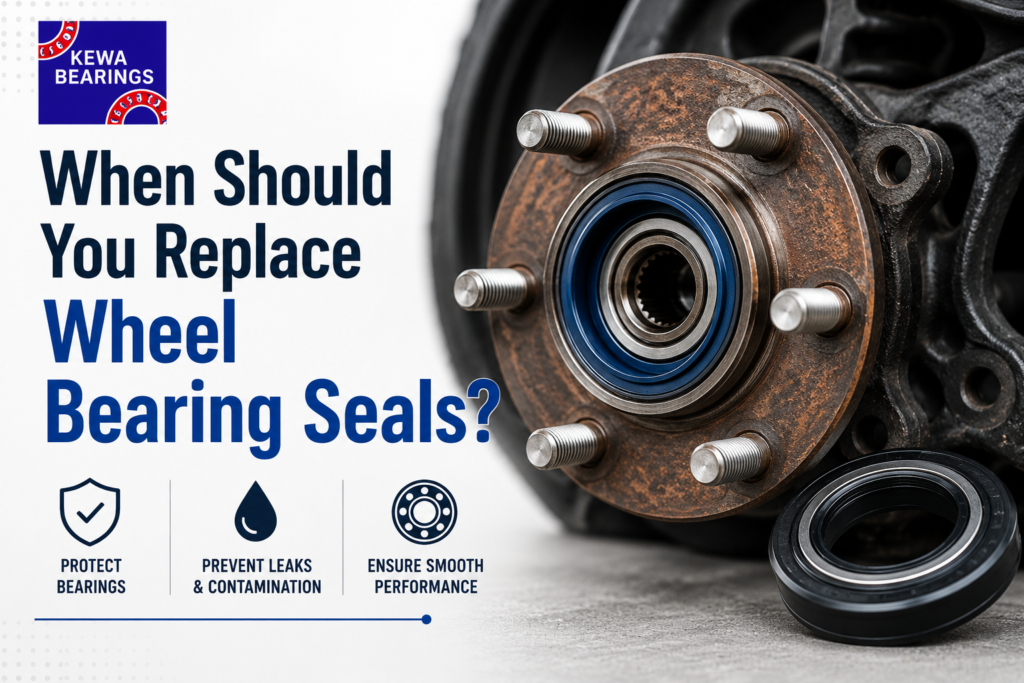
Wheel bearing seals protect wheel bearings from dirt, moisture, and other contaminants while keeping lubrication intact. Worn or damaged seals can lead to premature bearing failure, costly repairs, and safety issues. Replacing wheel bearing seals at the right time helps extend bearing life, improve vehicle performance, and reduce maintenance costs.
What Are Wheel Bearing Seals?
Wheel bearing seals are protective components installed around wheel bearings. Their primary function is to keep grease inside the bearing assembly while preventing contaminants such as water, dirt, mud, and road debris from entering.
These seals create a barrier that helps maintain proper lubrication. Since wheel bearings operate under constant load and friction, adequate lubrication is essential for smooth operation and long service life.
Why Are Wheel Bearing Seals Important?
The performance and lifespan of wheel bearings depend heavily on the condition of their seals. Damaged or worn wheel bearing seals can allow contaminants to enter the bearing assembly, causing increased friction, overheating, corrosion, and eventual bearing failure.
Good-quality seals help:
- Retain lubrication within the bearing.
- Prevent water and dust contamination.
- Reduce friction and wear.
- Extend bearing service life.
- Improve vehicle safety and reliability.
Ignoring damaged seals can result in expensive repairs and unexpected breakdowns.
Signs That Wheel Bearing Seals Need Replacement
Recognizing the warning signs of failing wheel bearing seals can help prevent more serious mechanical problems.
Visible Grease Leakage
One of the most common indicators is grease leaking around the wheel hub. If you notice grease on the inside of the wheel, around the axle, or near the brake components, the seal may no longer be functioning properly.
A damaged seal allows lubricant to escape, reducing the protection available to the bearing.
Contamination Around the Bearing Area
Dirt, mud, and moisture accumulating near the wheel hub can indicate that contaminants are entering through a damaged seal. Once contaminants enter the bearing assembly, wear accelerates significantly.
Regular inspections can help identify this issue before it causes major damage.
Unusual Bearing Noise
A humming, grinding, or growling sound from the wheel area may indicate bearing damage caused by failed wheel bearing seals. When lubrication escapes or contamination enters the bearing, metal-to-metal contact increases, producing unusual noises.
Any abnormal wheel noise should be investigated immediately.
Excessive Wheel Play
If the wheel feels loose or shows excessive movement during inspection, bearing wear may already be occurring due to seal failure. While wheel play often indicates bearing damage, failed seals are frequently the root cause.
Rust or Corrosion
Moisture entering through damaged seals can lead to rust formation inside the bearing assembly. Corrosion affects bearing performance and significantly shortens service life.
Visible rust around the wheel hub should never be ignored.
When Should You Replace Wheel Bearing Seals?
There is no universal replacement interval because seal lifespan depends on vehicle usage, road conditions, and maintenance practices. However, several situations require immediate replacement.
During Wheel Bearing Replacement
Whenever wheel bearings are replaced, new wheel bearing seals should also be installed. Reusing old seals can compromise the performance of newly installed bearings.
Since seals are relatively inexpensive compared to bearings, replacing them together is considered best practice.
After Seal Damage Is Detected
If inspections reveal cracks, tears, hardening, deformation, or grease leakage, the seal should be replaced immediately.
Even minor damage can allow contaminants to enter and damage the bearing.
Following Water Exposure
Vehicles frequently exposed to water, mud, floods, or off-road conditions may require more frequent seal inspections and replacements.
Water intrusion is one of the leading causes of bearing failure and can quickly compromise seal effectiveness.
During Brake Service
Many mechanics inspect wheel bearing seals during brake maintenance because the wheel assembly is already accessible.
Replacing worn seals during scheduled brake service can prevent future bearing-related issues and reduce labor costs.
According to Manufacturer Recommendations
Vehicle manufacturers often provide maintenance schedules that include bearing and seal inspections. Following these recommendations can help identify wear before it becomes a serious problem.
Always consult your vehicle’s maintenance manual for specific guidelines.
Factors That Affect Wheel Bearing Seal Life
Several factors influence how long wheel bearing seals remain effective.
Driving Conditions
Vehicles operating on dusty roads, construction sites, agricultural fields, or rough terrain experience higher seal wear than those driven primarily on paved highways.
Environmental Conditions
Extreme temperatures, moisture, road salt, and chemical exposure can accelerate seal deterioration. Harsh environments often require more frequent inspections.
Vehicle Load
Heavy loads place additional stress on wheel bearings and seals. Commercial vehicles, trailers, and heavy-duty equipment may experience faster seal wear.
Maintenance Practices
Regular inspection and proper lubrication help maximize seal performance. Neglecting routine maintenance can shorten seal lifespan and increase repair costs.
Risks of Ignoring Worn Wheel Bearing Seals
Failing to replace damaged wheel bearing seals can lead to several costly and potentially dangerous problems.
Premature Bearing Failure
Without adequate sealing, contaminants enter the bearing assembly and accelerate wear. This can result in complete bearing failure and expensive repairs.
Increased Repair Costs
Replacing a seal is significantly less expensive than replacing an entire wheel bearing assembly. Early action can save substantial maintenance costs.
Reduced Vehicle Safety
Wheel bearings support vehicle stability and wheel rotation. A failed bearing can affect handling, braking performance, and overall safety.
Damage to Other Components
Leaking grease can contaminate brake components, reducing braking efficiency and creating additional maintenance issues.
Tips for Extending Wheel Bearing Seal Life
Proper care can help maximize the lifespan of wheel bearing seals and wheel bearings.
Inspect wheel hubs regularly for grease leakage and contamination. Address any signs of seal wear immediately. Avoid driving through deep water whenever possible, especially at high speeds. Follow manufacturer-recommended maintenance schedules and use high-quality replacement seals. During bearing service, always install new seals instead of reusing old ones.
Routine inspections and preventive maintenance can significantly reduce the risk of bearing-related failures.
Choosing High-Quality Wheel Bearing Seals
Not all seals offer the same level of protection. High-quality wheel bearing seals are manufactured using durable materials designed to withstand heat, friction, moisture, and contaminants.
When selecting replacement seals, consider factors such as material quality, compatibility with the bearing assembly, operating environment, and manufacturer reputation. Reliable products help ensure long-term performance and reduce maintenance requirements.
For industrial and automotive applications, choosing trusted bearing and seal solutions can improve equipment reliability and operating efficiency.
Conclusion
Regular inspection and timely replacement of wheel bearing seals help protect wheel bearings from contamination and lubricant loss. Replacing worn seals early reduces repair costs, improves safety, and extends bearing life. Using high-quality seals and following proper maintenance practices ensures reliable and smooth vehicle performance.
FAQs
1. What are wheel bearing seals?
Wheel bearing seals are protective components that keep grease inside the bearing while preventing dirt, water, and debris from entering.
2. When should wheel bearing seals be replaced?
They should be replaced if they show signs of damage, grease leakage, contamination, or whenever wheel bearings are replaced.
3. What are the signs of a bad wheel bearing seal?
Common signs include grease leaks, grinding noises, wheel play, rust, and dirt around the wheel hub.
4. Can I drive with a damaged wheel bearing seal?
It is not recommended, as a damaged seal can lead to bearing failure and affect vehicle safety.
5. Do wheel bearing seals wear out over time?
Yes. Heat, friction, moisture, and road contaminants gradually wear out wheel bearing seals.
6. Should wheel bearing seals be replaced with new bearings?
Yes. Installing new seals with new wheel bearings ensures proper protection and longer bearing life.
7. What causes wheel bearing seals to fail?
Age, excessive heat, water exposure, poor installation, and harsh driving conditions are common causes.
8. How often should wheel bearing seals be inspected?
They should be inspected during routine vehicle servicing, brake maintenance, or whenever wheel bearings are checked.
9. Can a leaking wheel bearing seal damage the brakes?
Yes. Escaping grease can contaminate brake components and reduce braking performance.
10. Why choose high-quality wheel bearing seals?
High-quality wheel bearing seals provide better protection against contamination, improve bearing life, and reduce maintenance costs.