
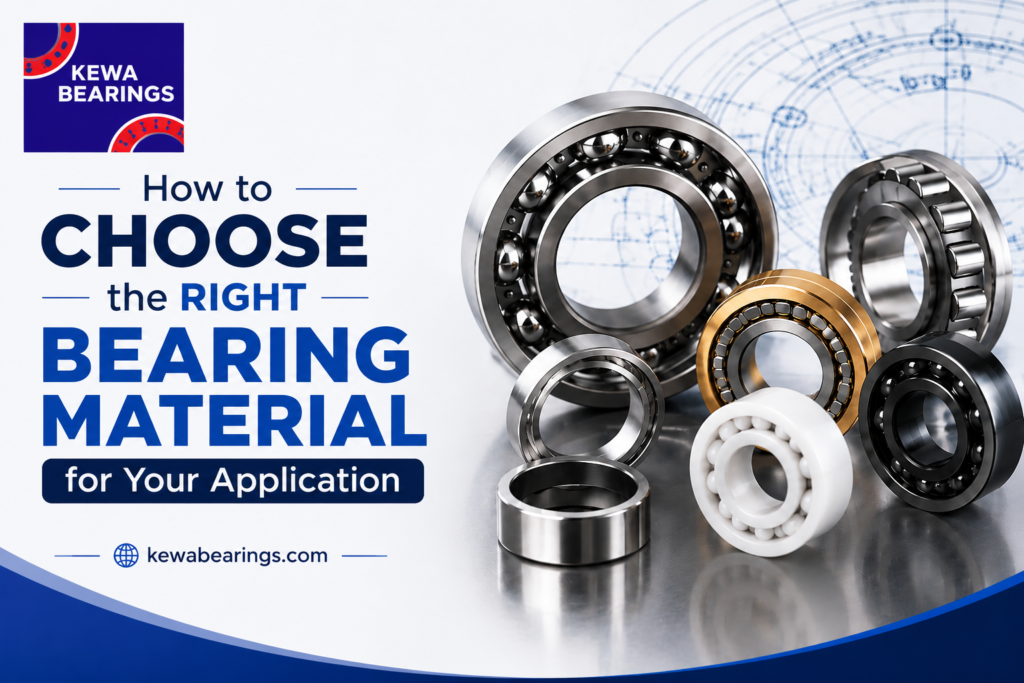
Bearings play a vital role in keeping machines running smoothly , but the way they perform depends heavily on the stuff they are made from. Picking the right bearing material can boost durability , lower upkeep expenses and raise overall equipment efficiency. Whether you are dealing with industrial machinery , automotive components , or agricultural equipment , choosing the correct material helps make sure performance lasts.
Why Bearing Material Matters
Bearings work under varying loads, rotational speeds, temperature ranges , and outside conditions. A material that does well in one setup might stumble in another. The proper bearing material limits wear , resists corrosion, and withstands mechanical stress in a consistent manner, which means fewer disruptions and a longer service life.
Common Bearing Materials and Their Uses
Chrome Steel
Chrome steel is one of the most widely used bearing materials, because of it’s strong hardness and good wear resistance. It tends to be suitable for high speed applications and general industrial machinery, and in practice you get a nice balance between strength, durability and cost, without too much fuss.
Stainless steel
Stainless steel bearing assemblies are ideal when you have moisture around, chemicals, or frequent washing happening. They do resist rust and corrosive effects, so they work well in food handling units, medical apparatus, and even marine installations.
Ceramic
Ceramic bearings are lightweight, resistant to corrosion, and can run at very high speeds. They also tend to create less friction than many metal bearings. Even if the price is higher, they still make sense for precision equipment and high performance applications.
Bronze
Bronze bearings usually show up in heavy-duty machinery, especially when there are shock loads and low-speed running going on. They give strong resistance to wear and they are often picked for construction setups and mining machines, because the conditions can be pretty rough.
Plastic
Plastic bearings, by contrast, are lightweight and resistant to corrosion, and they need little or no lubrication. They tend to fit best for situations with water, various chemicals, or light-duty machinery. In those cases, metal bearings can be the less friendly choice.
Factors to Consider Before Choosing Bearing Materials
Before choosing bearing materials, there are a few things to look at, even if it feels a bit tedious at first. First, focus on the operating load. If the load is heavy, you typically want a tough material such as chrome steel or bronze. For lighter duties, a plastic bearing may work well and stay stable.
Then think about operating speed. Faster equipment tends to do better with ceramic or chrome steel bearings, since these options can lower friction and reduce heat buildup.
Environmental conditions should not ever be overlooked. When bearings are subject to moisture , dust, or even chemicals, then corrosion resistant materials like stainless steel or a plastic variant tend to give better reliability.
Temperature is also important. Some bearing materials keep their strength at higher temperatures, while others may lose performance gradually, over time.
Then there’s the matter of upkeep and what fits the budget. Even if premium materials cost more at the beginning, they often cut down on maintenance costs and can extend equipment life. That usually makes the overall choice more cost-effective in the longer run.
Why Choose Kewa Bearings?
Kewa Bearings provide high quality bearings made from carefully chosen materials , to fulfill the needs of various industries . If your application demands strength, corrosion resistance, or high speed output , Kewa Bearings delivers steady answers made for long term operation, and repeatable efficiency .
Conclusion
Choosing the right bearing materials is important, for making sure machines run reliably and downtime stays low. If you take time to look at things like load, rotational speed, the operating surroundings, and how much servicing you expect to do, you can pick a bearing that actually gives strong value for your specific use. Putting money into the appropriate material today also tends to raise output and helps reduce the ongoing cost of operation.
FAQs
1. Which bearing material is used the most, generally?
Chrome steel is the most common option, mainly because it offers good strength and wear resistance.
2. Which bearing material works best in wet areas?
Stainless steel is a solid choice here since it resists corrosion very well.
3. Do ceramic bearings outperform steel bearings?
Ceramic bearings often handle high-speed conditions better and they do well when corrosion is a concern, but they cost more.
4. Can plastic bearings take heavy loads?
Plastic bearings are usually meant for lighter to mid-range duty, not for extreme loads.
5. How do I select the right bearing material?
Think about load , speed, temperature, the operating environment, and also what your maintenance schedule asks for before you actually pick a model.