Tapered roller bearings play a crucial role in modern machinery, especially in industries where heavy loads and high performance are essential. From automotive wheel hubs to industrial gearboxes, these bearings are designed to handle both radial and axial loads efficiently. However, choosing the best tapered roller bearings for your needs requires a clear understanding of their features, applications, and selection criteria. In this SEO-friendly guide, you will learn everything you need to make the right choice.
What Are Tapered Roller Bearings?
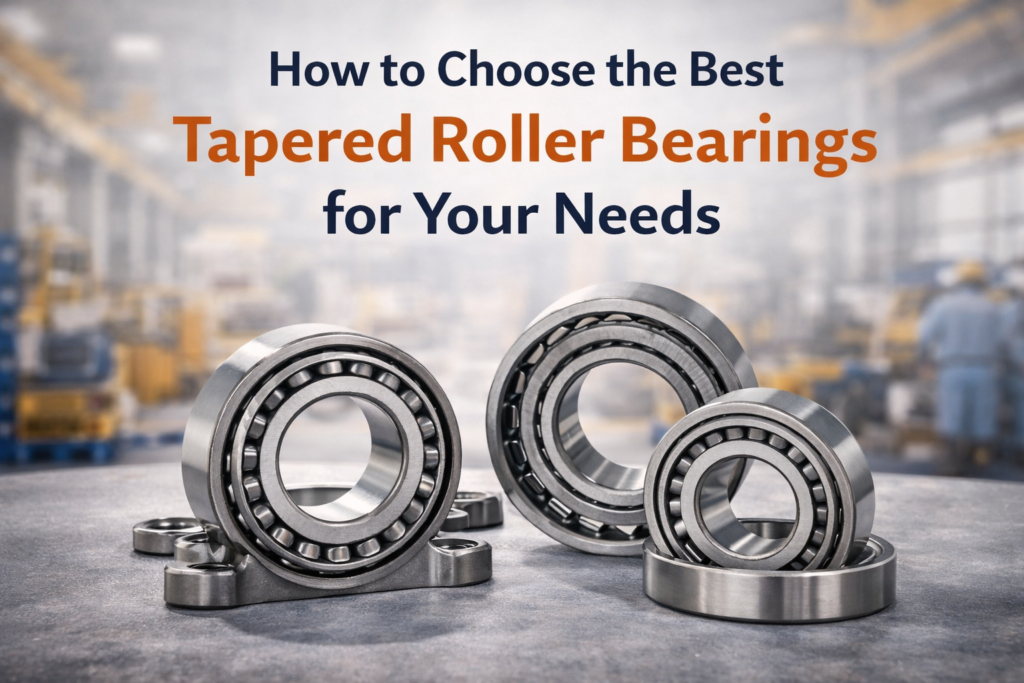
Tapered roller bearings consist of four main components: the inner ring, outer ring, tapered rollers, and cage. The unique tapered design allows these bearings to distribute loads evenly, making them ideal for applications that involve combined forces. Unlike ball bearings, they offer better load-carrying capacity and durability, especially in demanding environments.
Why Choosing the Right Bearing Matters
Selecting the wrong bearing can lead to increased friction, overheating, frequent breakdowns, and higher maintenance costs. On the other hand, choosing the right tapered roller bearing ensures smooth operation, longer lifespan, and improved efficiency. This is why understanding your requirements is the first step toward making a smart decision.
Key Factors to Consider When Choosing Tapered Roller Bearings
1. Load Capacity
One of the most important factors is load capacity. Tapered roller bearings are designed to handle both radial and axial loads, but the exact capacity varies depending on size and design. If your machinery operates under heavy loads, you should choose bearings specifically designed for high-load applications. Always check the load ratings provided by the manufacturer.
2. Bearing Size and Dimensions
Choosing the correct size is essential for proper fitting and performance. Bearings that are too small may fail under pressure, while oversized bearings can cause alignment issues. Always match the bearing dimensions with your shaft and housing specifications to ensure optimal performance.
3. Material Quality
The material used in manufacturing the bearing directly affects its durability and performance. High-quality tapered roller bearings are typically made from hardened steel, which provides resistance to wear, pressure, and temperature variations. Investing in premium-quality materials ensures long-term reliability.
4. Speed Rating
Different applications require different operating speeds. While tapered roller bearings are generally designed for moderate speeds, some high-performance variants can handle higher speeds. Always verify the speed rating to ensure it matches your application requirements.
5. Lubrication Requirements
Proper lubrication is essential for reducing friction and preventing wear. Depending on your application, you can choose between grease-lubricated and oil-lubricated bearings. Regular lubrication maintenance not only enhances performance but also extends the life of the bearing.
6. Sealing and Protection
In many industrial environments, bearings are exposed to dust, dirt, moisture, and other contaminants. Choosing bearings with proper seals or shields can protect them from external elements and improve durability. Sealed bearings are especially useful in harsh conditions.
7. Application Type
Understanding your specific application is key to selecting the right bearing. Tapered roller bearings are widely used in automotive systems, heavy machinery, construction equipment, and industrial tools. Each application may have different requirements in terms of load, speed, and environment.
8. Brand and Manufacturer Reputation
Always choose bearings from trusted and well-known manufacturers. Reputable brands follow strict quality standards and offer reliable products. Reading reviews and checking certifications can help you identify the best options in the market.
9. Cost vs Quality
While budget is an important factor, it should not compromise quality. Cheaper bearings may save money initially but can lead to frequent replacements and higher maintenance costs. Investing in high-quality tapered roller bearings ensures better performance and long-term savings.
Common Applications of Tapered Roller Bearings
Tapered roller bearings are widely used across various industries. In the automotive sector, they are commonly found in wheel hubs, transmissions, and differential systems. In industrial applications, they are used in gearboxes, conveyors, pumps, and heavy machinery. Their ability to handle combined loads makes them suitable for demanding operations.
Installation and Maintenance Tips
Proper installation is critical for the performance of tapered roller bearings. Always ensure that the bearing is aligned correctly and fitted according to manufacturer guidelines. Improper installation can lead to premature failure. Regular maintenance, including lubrication and inspection, is equally important to ensure smooth operation and long service life.
Signs You Chose the Wrong Bearing
If you notice excessive noise, overheating, vibration, or frequent breakdowns, it may indicate that the bearing is not suitable for your application. In such cases, it is important to reassess your requirements and choose a more appropriate option.
Conclusion
Choosing the best tapered roller bearings for your needs is a critical decision that directly impacts the performance and lifespan of your machinery. By considering factors such as load capacity, size, material quality, lubrication, speed rating, and application type, you can make an informed choice. Always prioritize quality and reliability over cost to ensure long-term efficiency and reduced maintenance.
With the right tapered roller bearing, you can enhance productivity, minimize downtime, and achieve optimal performance in your operations.